Your cart is currently empty!

$209.00 – $219.00
SKU: MODLITE-HEAD
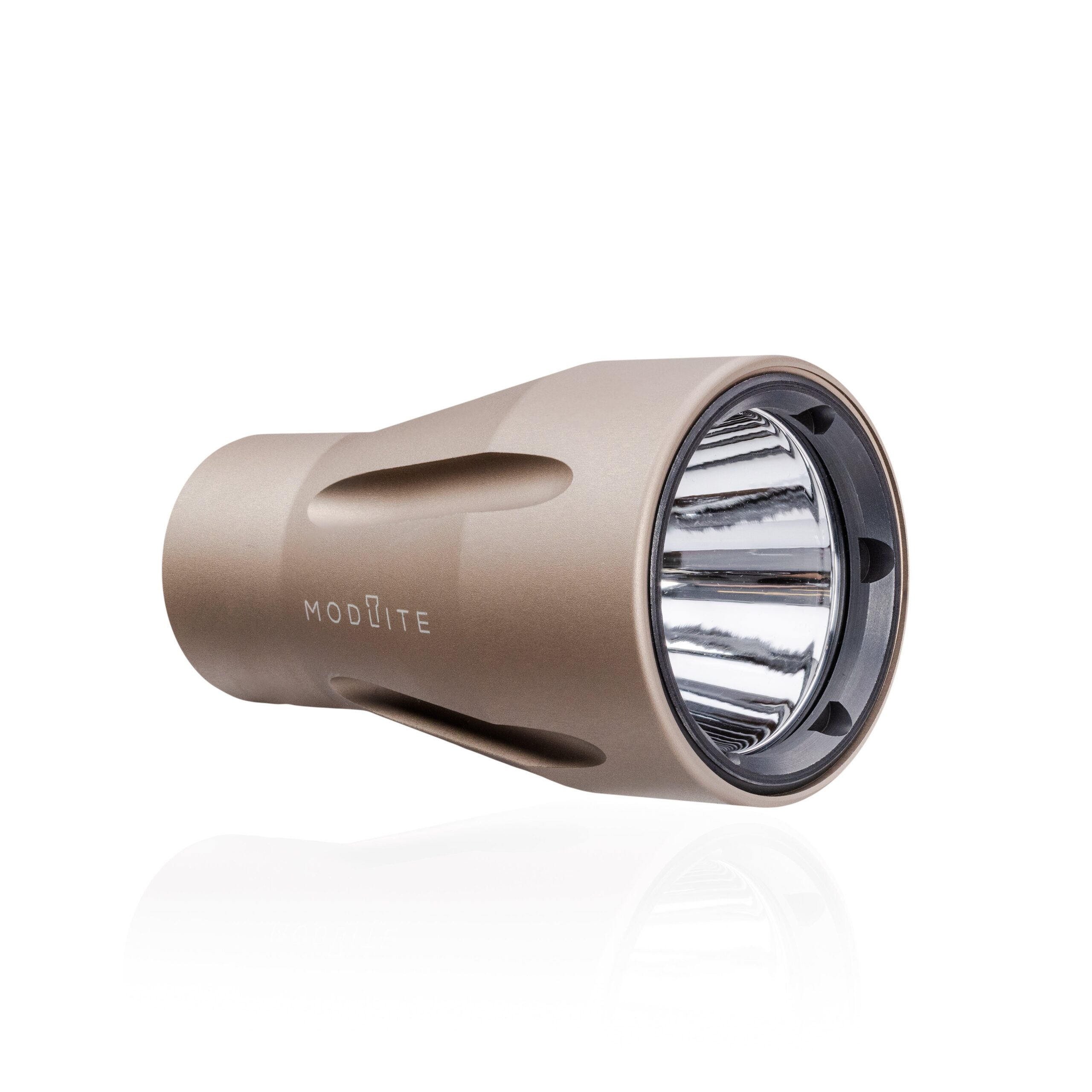
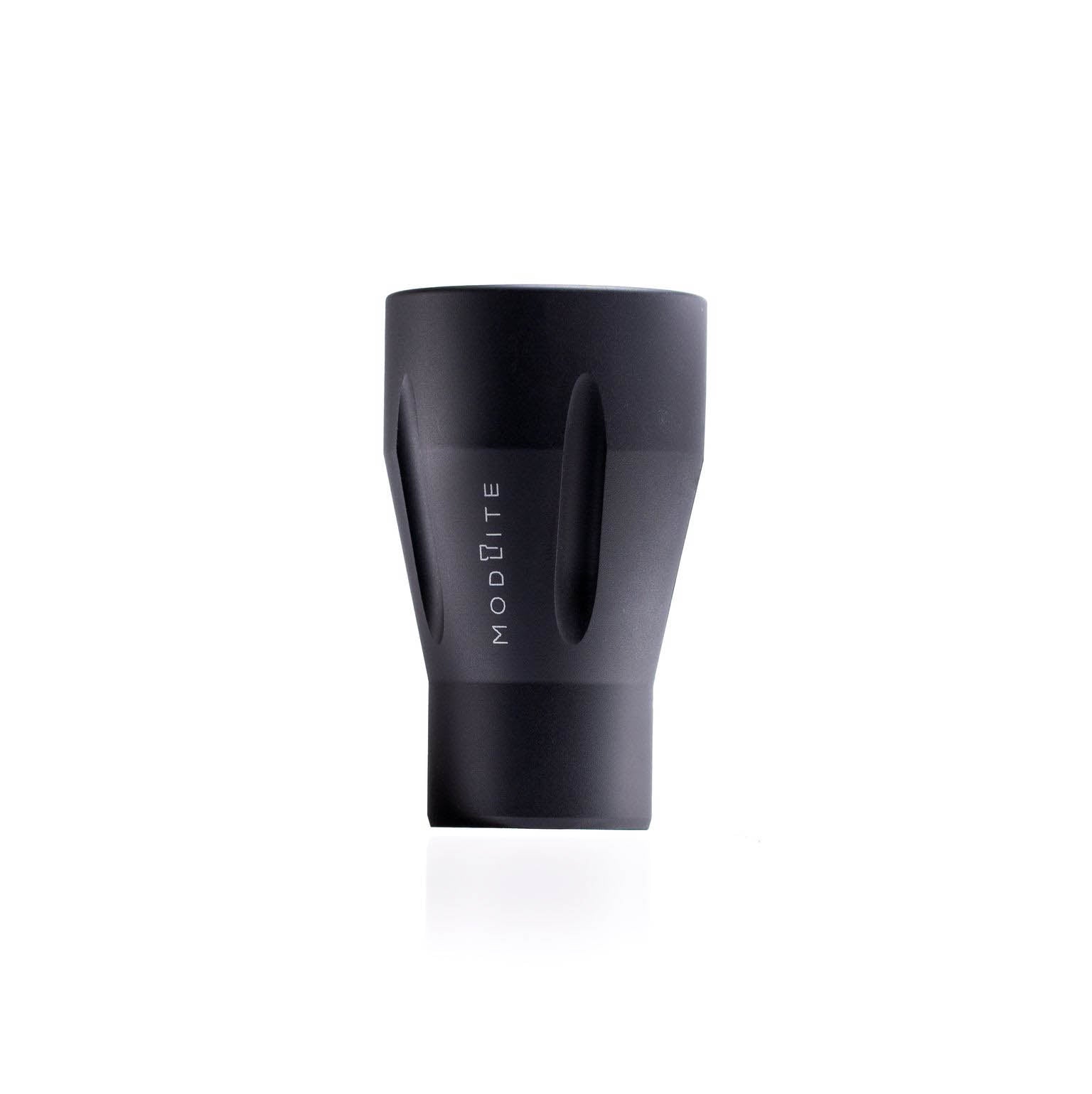
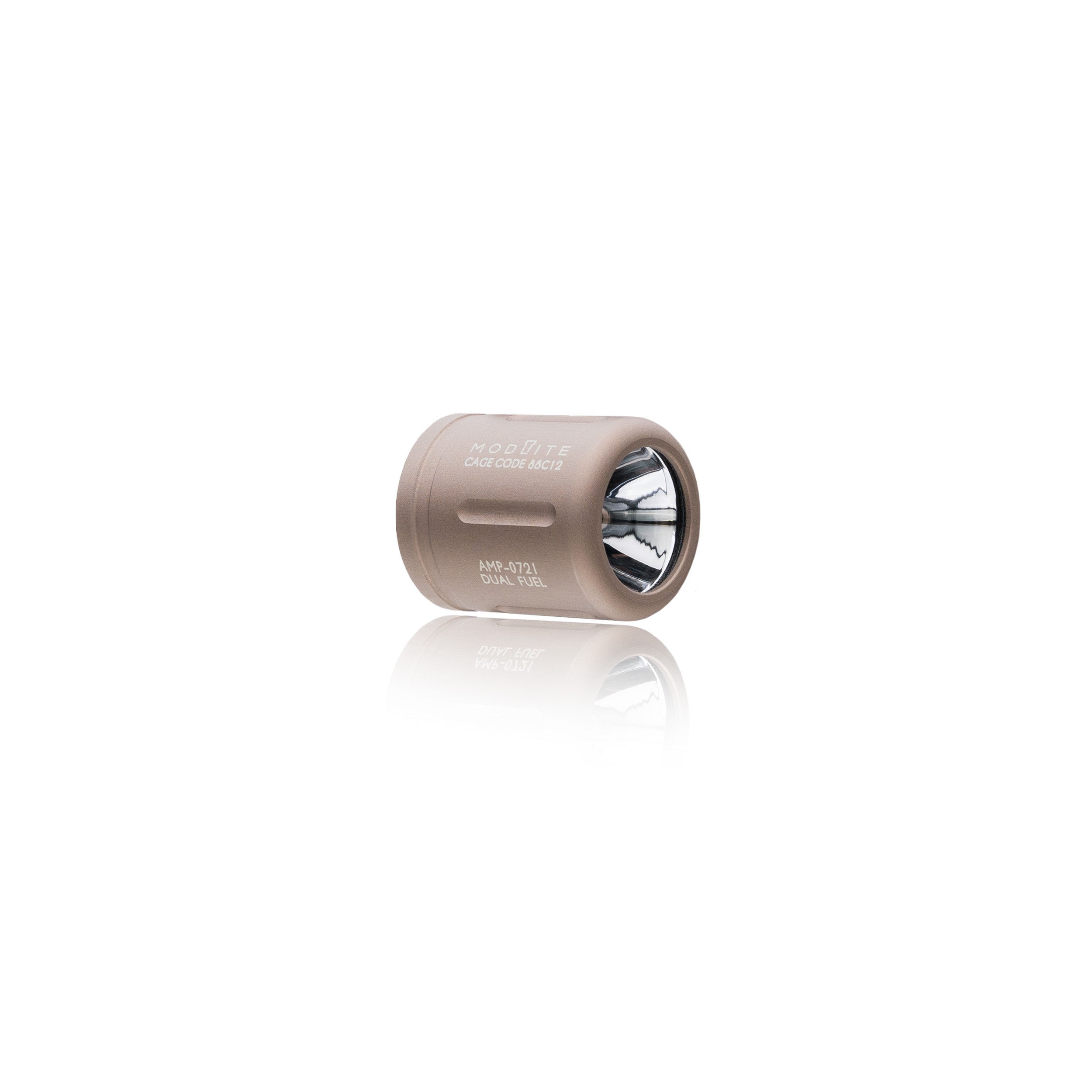
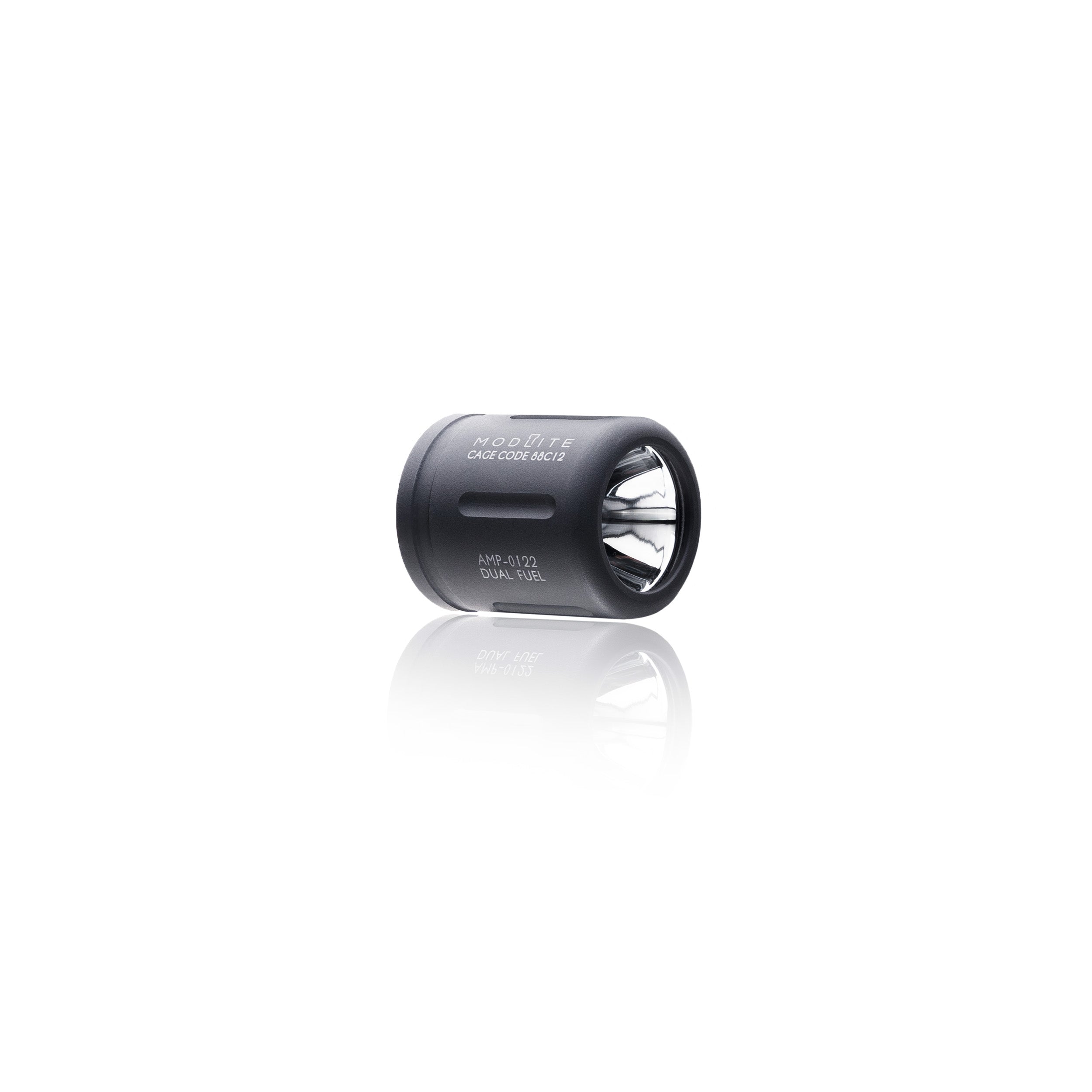
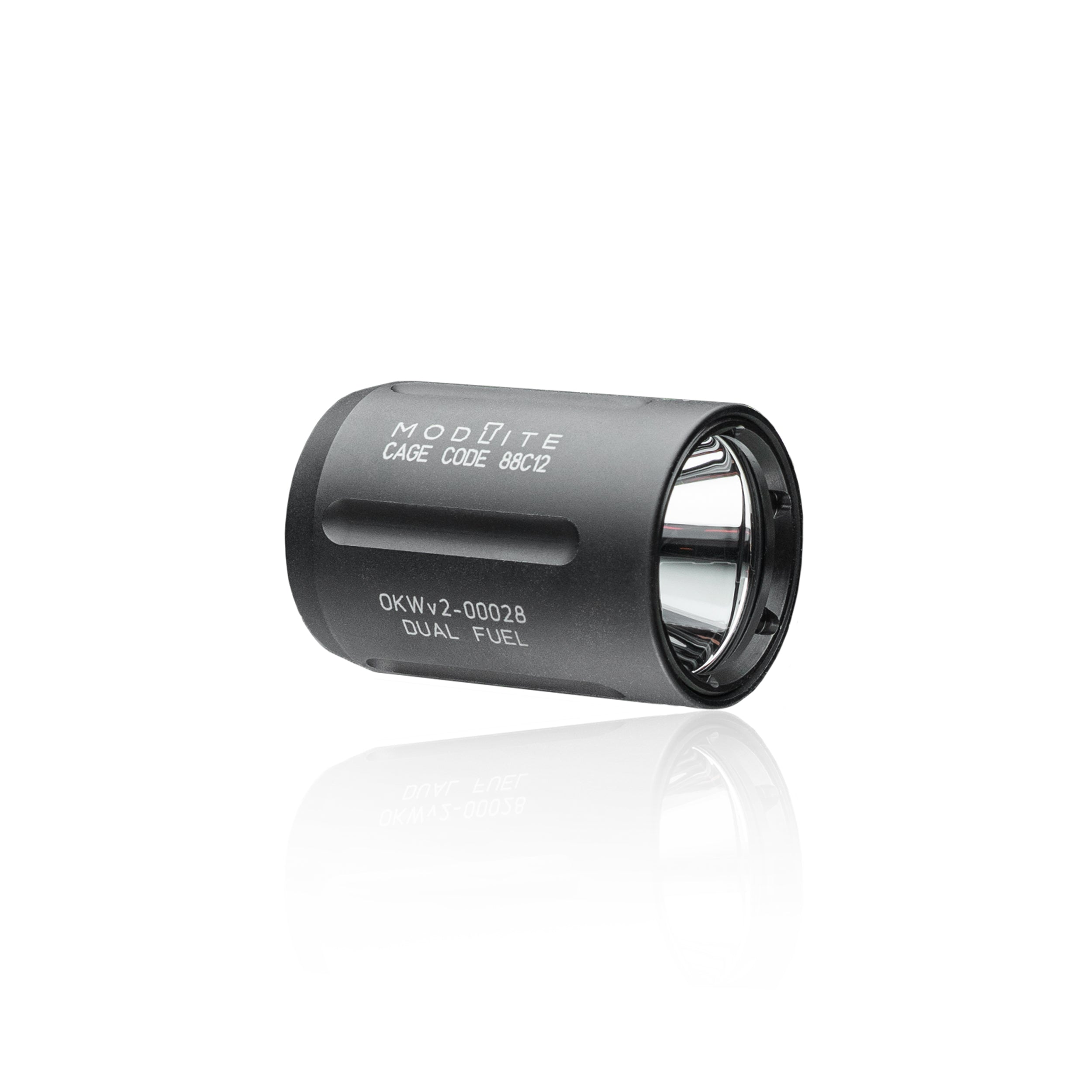
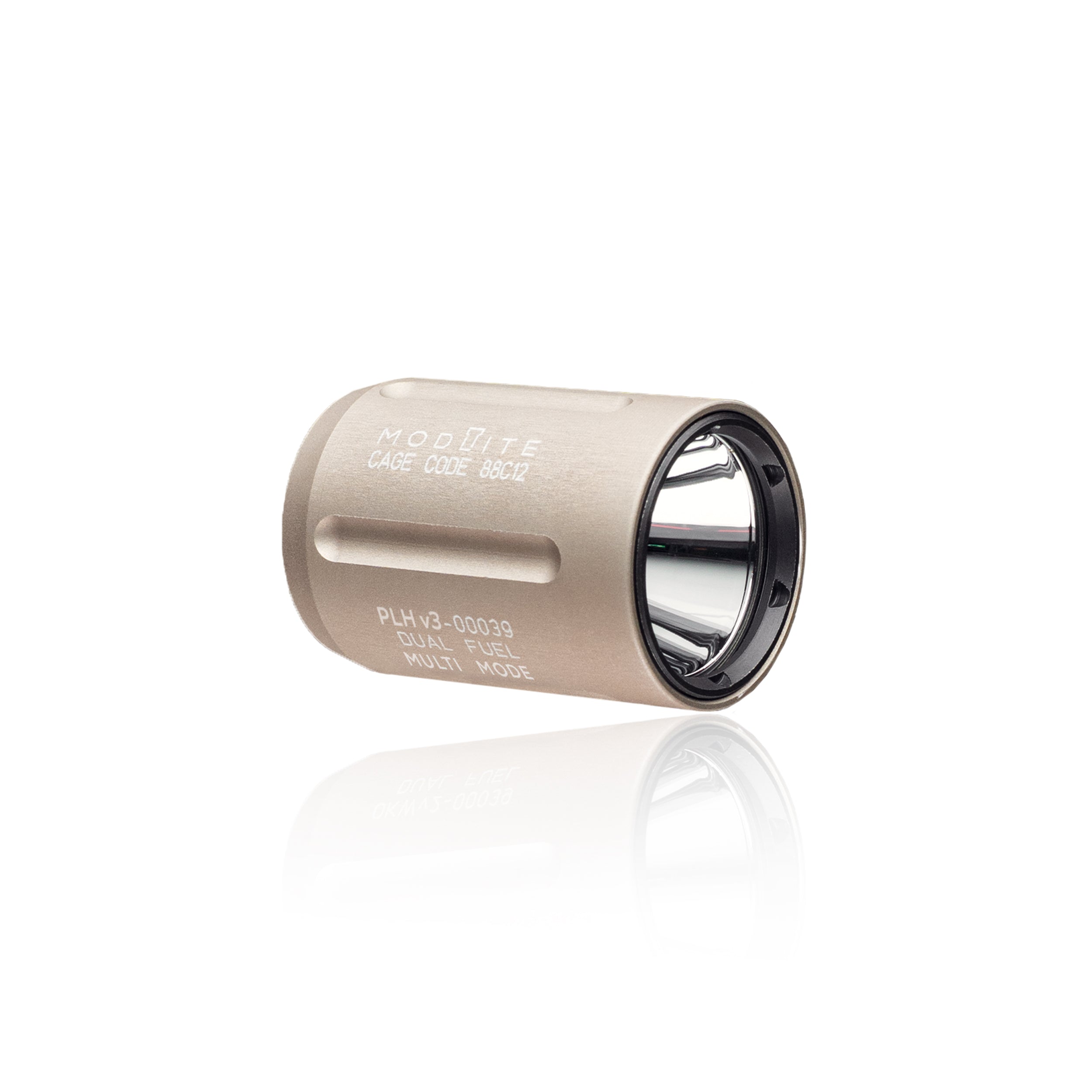
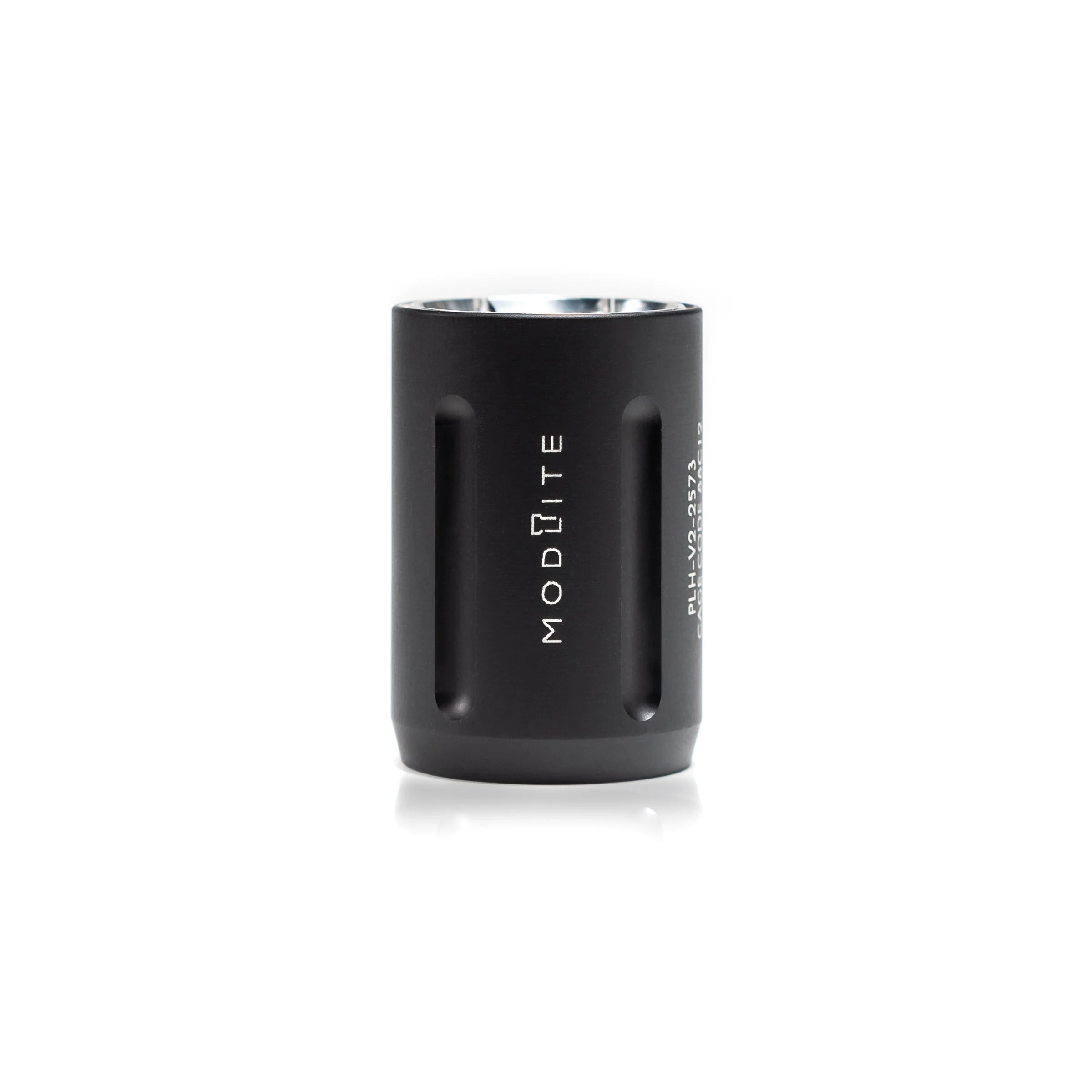
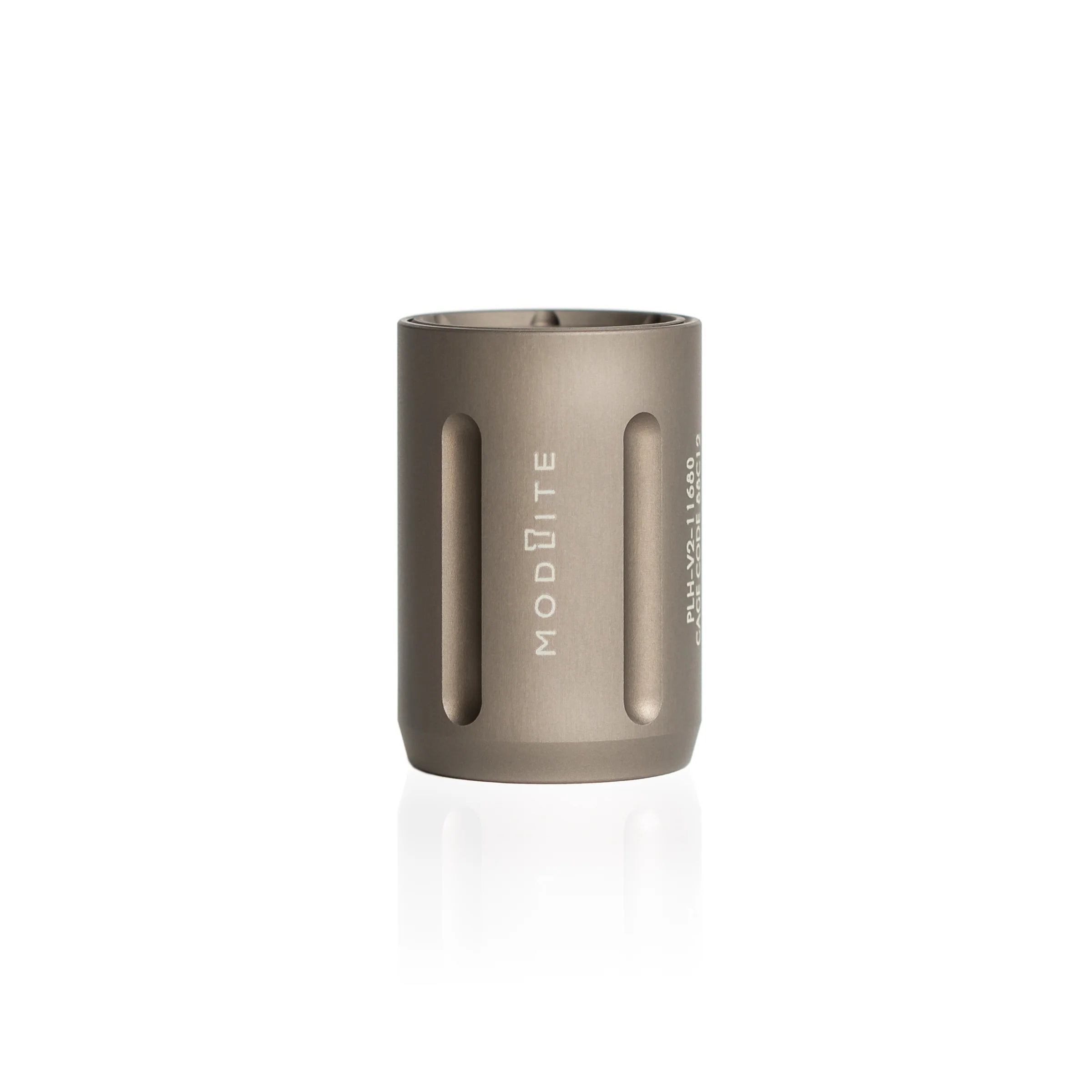
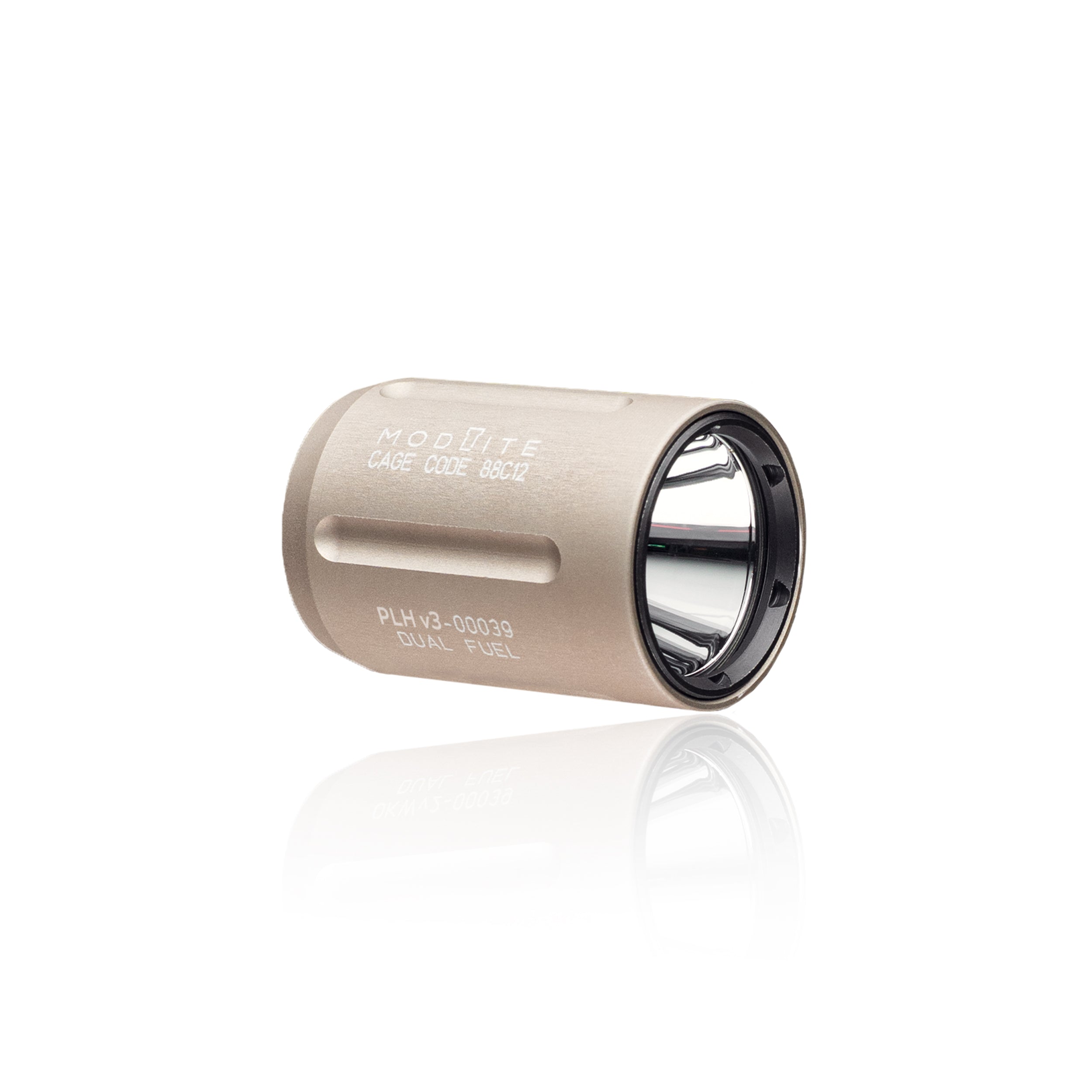
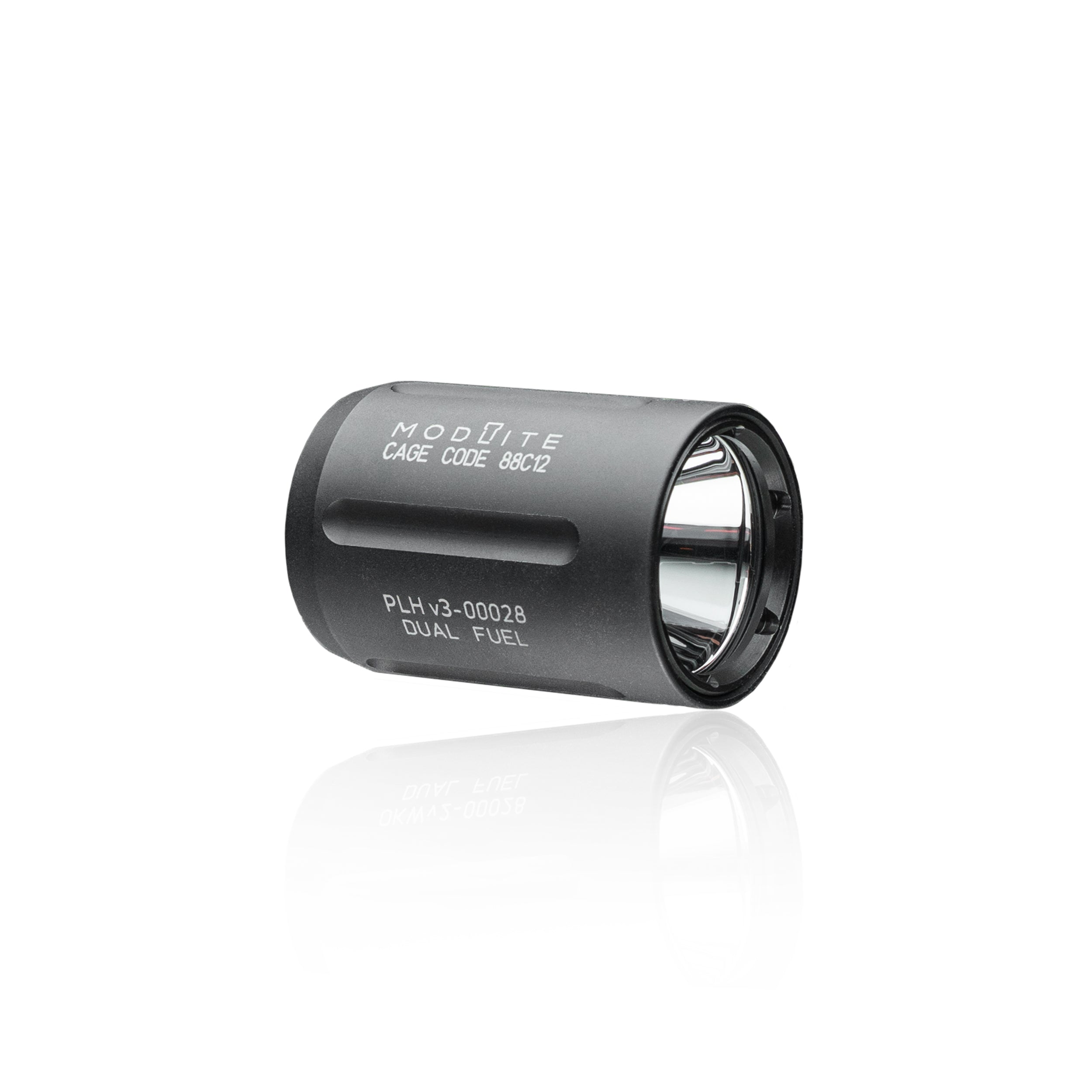
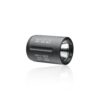
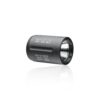
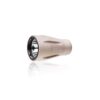
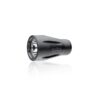
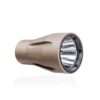
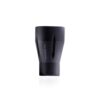
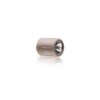
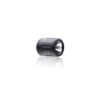
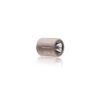
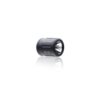
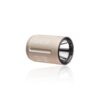
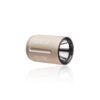
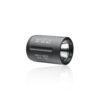
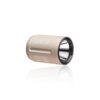
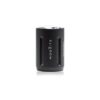
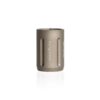
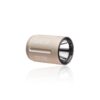
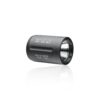
The light head is the working end of the system. The heads are interchangeable and thread onto a Modlite body. Choose the head that matches the work, and the way you prefer to work.
Seven heads, two beam shapes, two battery families.
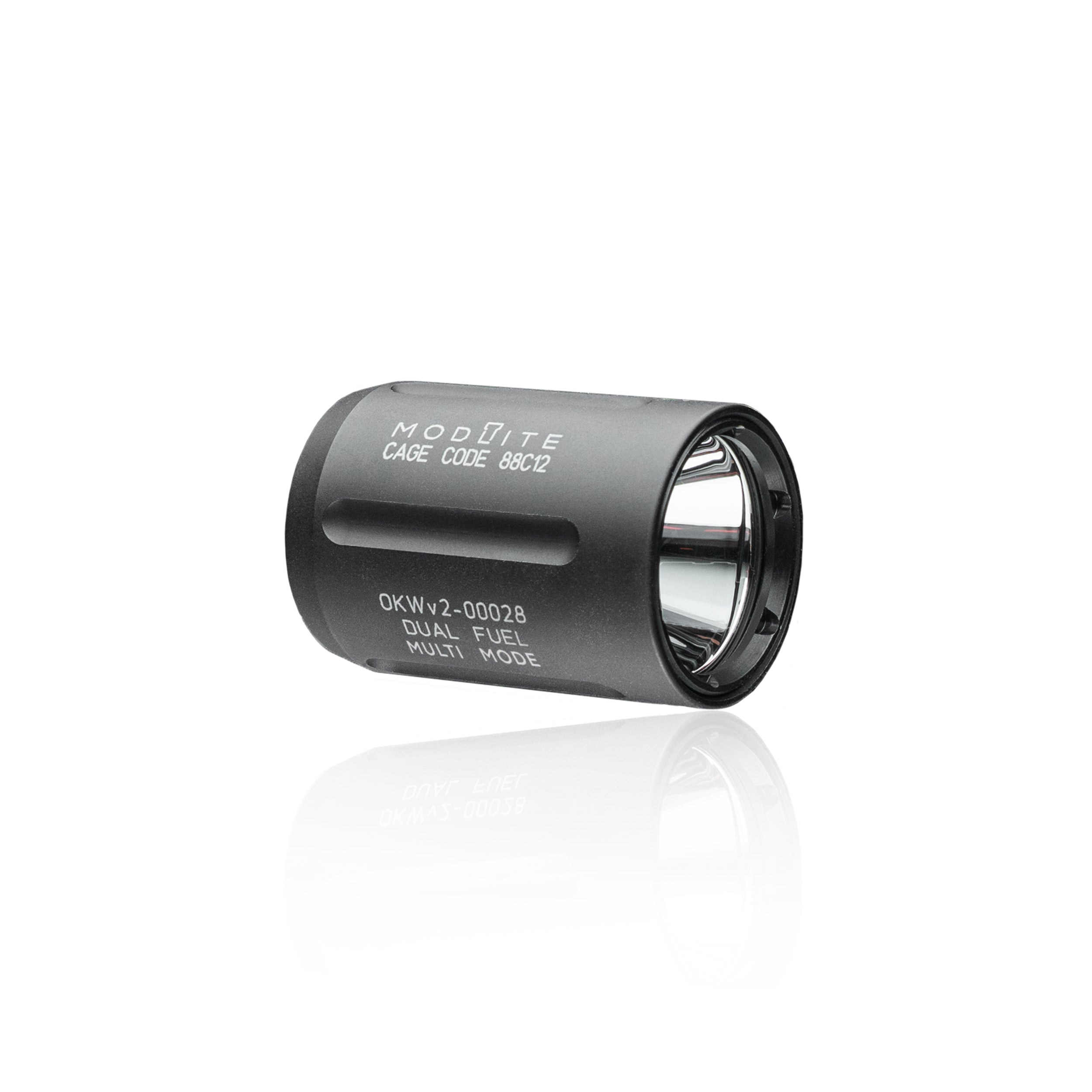
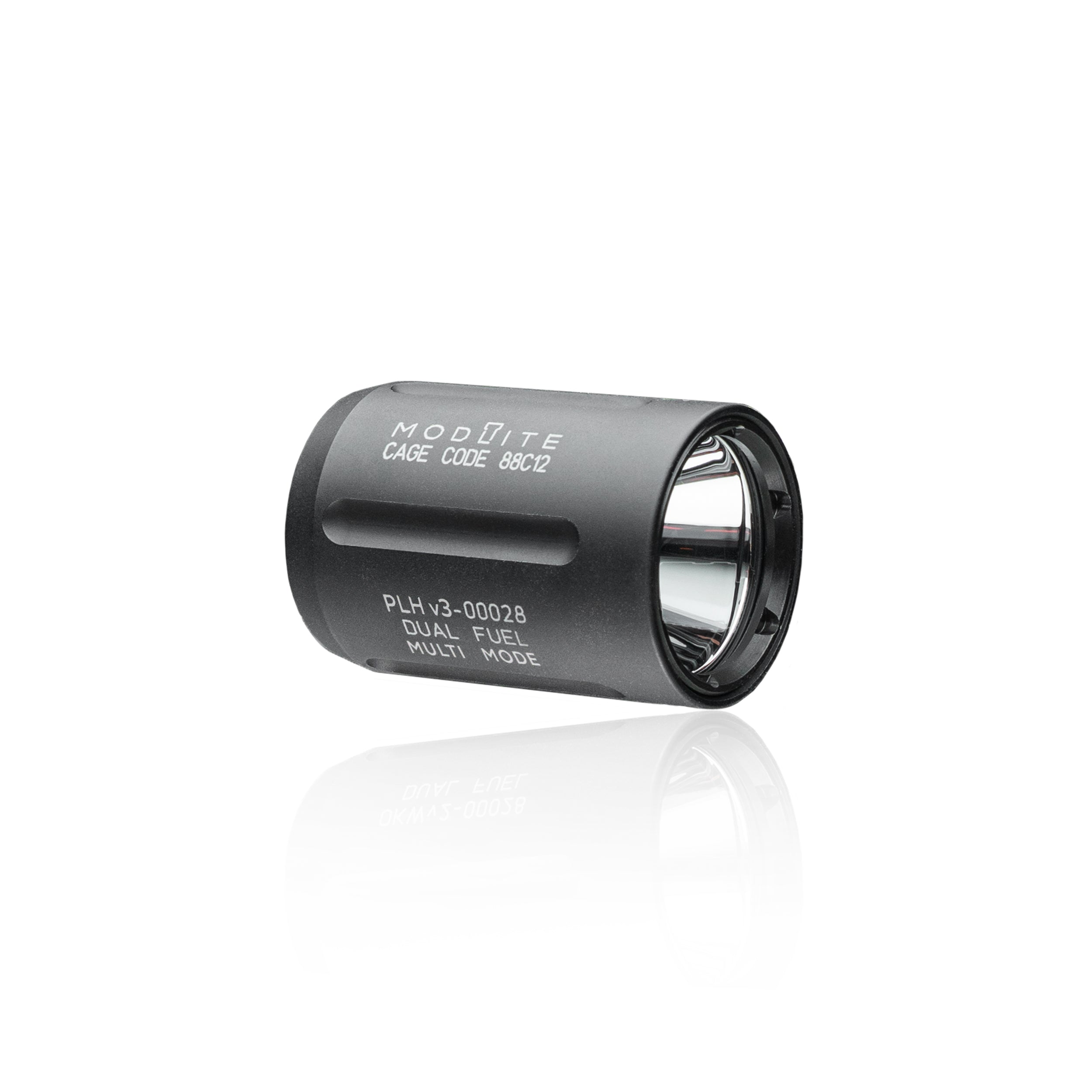
The OKWv2 head runs a longer, narrower beam that puts more energy into a tighter shape, favored by professionals who prioritize reach and a tight light pattern. The PLHv3 head trades some of that for more spill, while still holding a favorable center hotspot, favored by those who want more peripheral lighting and visibility as they work. The AMP Compact shares the PLH-style beam in a smaller head.
HOG and PIGLET are larger heads that put out more power in the same two beam shapes. They run the 21700 battery family: HOG heads require a 21700 body, and PIGLET threads onto a standard 18650 body, though some mounts will want a standoff adapter for clearance.
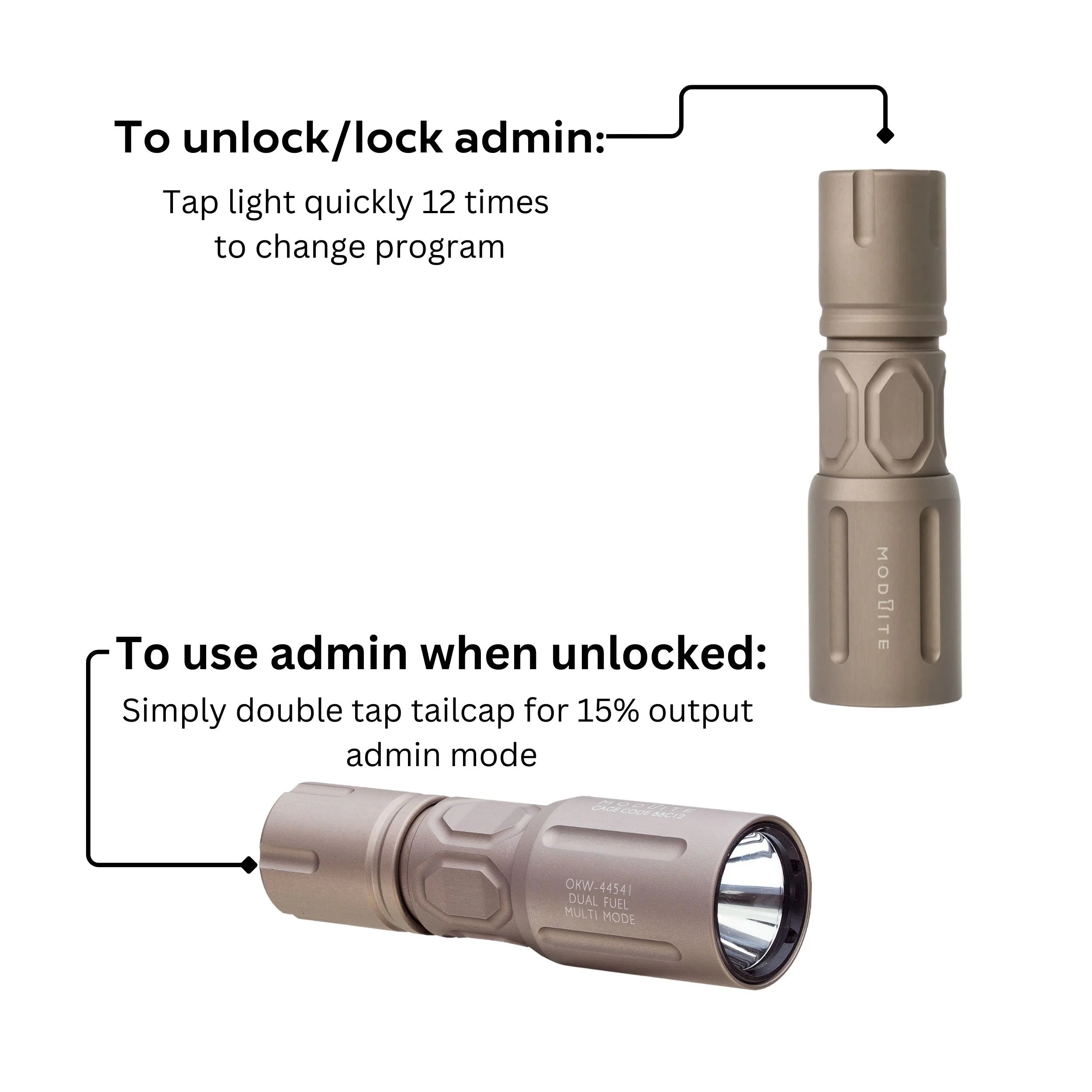
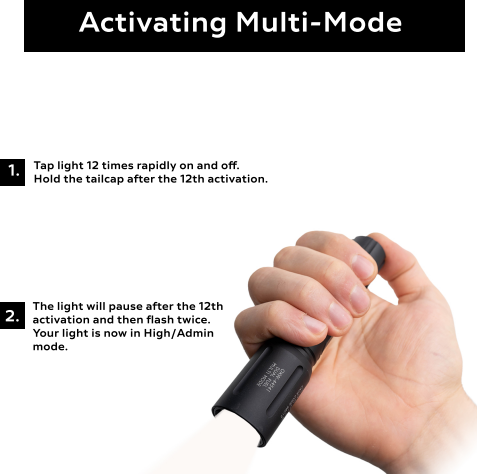
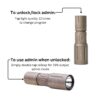
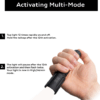
Single-mode runs high output only, the right choice for a weapon light. Multi-mode adds a programmable low admin setting alongside high, useful on a handheld. Multi-mode is offered on PLHv3, OKWv2 and AMP Compact.
Black or FDE. 6061 aluminum, Type III hardcoat, ultra clear BOROFLOAT lens, fully potted drivers. Made and assembled in the USA. Lifetime transferable warranty.
What is in a head
A weapon light is usually sold as a lumen number on a box. That number tells you very little about how the light actually works. The four components inside the head tell you a great deal more.
The emitter is the LED. It produces the light and sets the output and the color temperature. One head carries one emitter.
The reflector is the shaped, mirrored cone around the LED. An LED throws light in nearly every forward direction, and the reflector catches those rays and aims them forward. A deeper, narrower reflector aims them into a tighter column with more reach. A shallower, wider one lets more of them spread for a wider beam.
The driver regulates power to the emitter. Modlite potts theirs in full: the electronics are sealed in epoxy, which keeps solder joints from vibrating loose under recoil and seals the internals against water, dust and grit.
The lens is ultra clear BOROFLOAT glass, passing 98 to 99 percent of the light the emitter produces rather than absorbing it.
Two beam shapes, and a good deal of personal preference
Lighting is a system of variables, and no head wins on all of them at once. A gain in one direction tends to be paid for in another. Which shape is right has as much to do with how a professional likes to work as it does with any spec on the page, and reasonable people who do the same job land on different answers.
The OKW beam is longer and narrower. It puts more energy into a tighter shape. Professionals who favor it are usually prioritizing reach: a bright, tight core pushed out to distance to identify what is there.
The PLH beam is wider, with more spill. More spill lights more of the room, the ground, and the edges while you work, and PLH still holds a favorable center hotspot. Professionals who favor it tend to value that peripheral lighting. Which you want comes down to preference and the needs of the work.
Hotspot
The bright core of the beam, and what candela measures. A tighter, more intense core reaches farther. This is throw.
Spill
The light between the hotspot and the darkness. It is what lights peripheral vision: the corners of a room, a doorway you are passing, the ground underfoot. Generally, the more a beam is concentrated for reach, the less spill it carries, so a head chosen for distance tends to light less of what is around it. That balance is a large part of what separates the two shapes, and a large part of what comes down to preference and need.
Why the numbers can look like they disagree
Lumens measure total light out the front. Candela measures beam intensity. Read side by side they may not appear to track together, and that is the reflector doing its work. A head can produce a great deal of light and spread it wide, and a wider beam tends to have less depth. Another head can produce less light, focus it harder, and reach considerably farther.
PIGLET (OKW) is the clearest illustration. It produces 680 lumens, half of what PIGLET (PLHv2) produces, yet it reaches farther, at 155,000 candela against 100,000, and it runs longer, 115 minutes against 100. Less light, focused harder, drawing less current. That is the reflector and the emitter working together, and it is why a lumen figure on its own will not tell you which head belongs on your rifle.
The lineup
Seven heads, ranked by candela.
| Head | Beam | Lumens | Candela | Body | Weight | Runtime (high) |
|---|---|---|---|---|---|---|
| AMP Compact | Wide | 876 | 18,000 | 18350 / 18650 | 1.5 oz | 2 hr (18650) |
| PLHv3 | Wide | 1,500 | 60,000 | 18350 / 18650 | 2.1 oz | 75 min (18650) |
| OKWv2 | Narrow | 1,300 | 95,000 | 18350 / 18650 | 2.1 oz | 75 min (18650) |
| PIGLET (PLHv2) | Wide | 1,350 | 100,000 | 18650 | 5.1 oz | 100 min |
| HOG (PLHv2) | Wide | 1,350 | 120,000 | 21700 only | 5.3 oz | 2 hr 30 min |
| PIGLET (OKW) | Narrow | 680 | 155,000 | 18650 | 5.1 oz | 115 min |
| HOG (OKW) | Narrow | 720 | 170,000 | 21700 only | 5.3 oz | 3 hr 10 min |
A note on the word flood. Modlite does not build a true flood light, meaning a beam weighted almost entirely toward wide coverage with little hotspot. Every head here has a hotspot. The PLH heads simply pair theirs with more spill.
The heads
PLHv3
1,500 lumens, 60,000 candela, 2.1 oz, cool white 5700K. The current-generation standard, and the head many professionals reach for first: enough spill to work close and enough hotspot to reach across a parking lot. On an 18650, 75 minutes constant on high and 10.6 hours on the admin setting. Available single-mode or multi-mode, on 18350 and 18650 bodies.
OKWv2
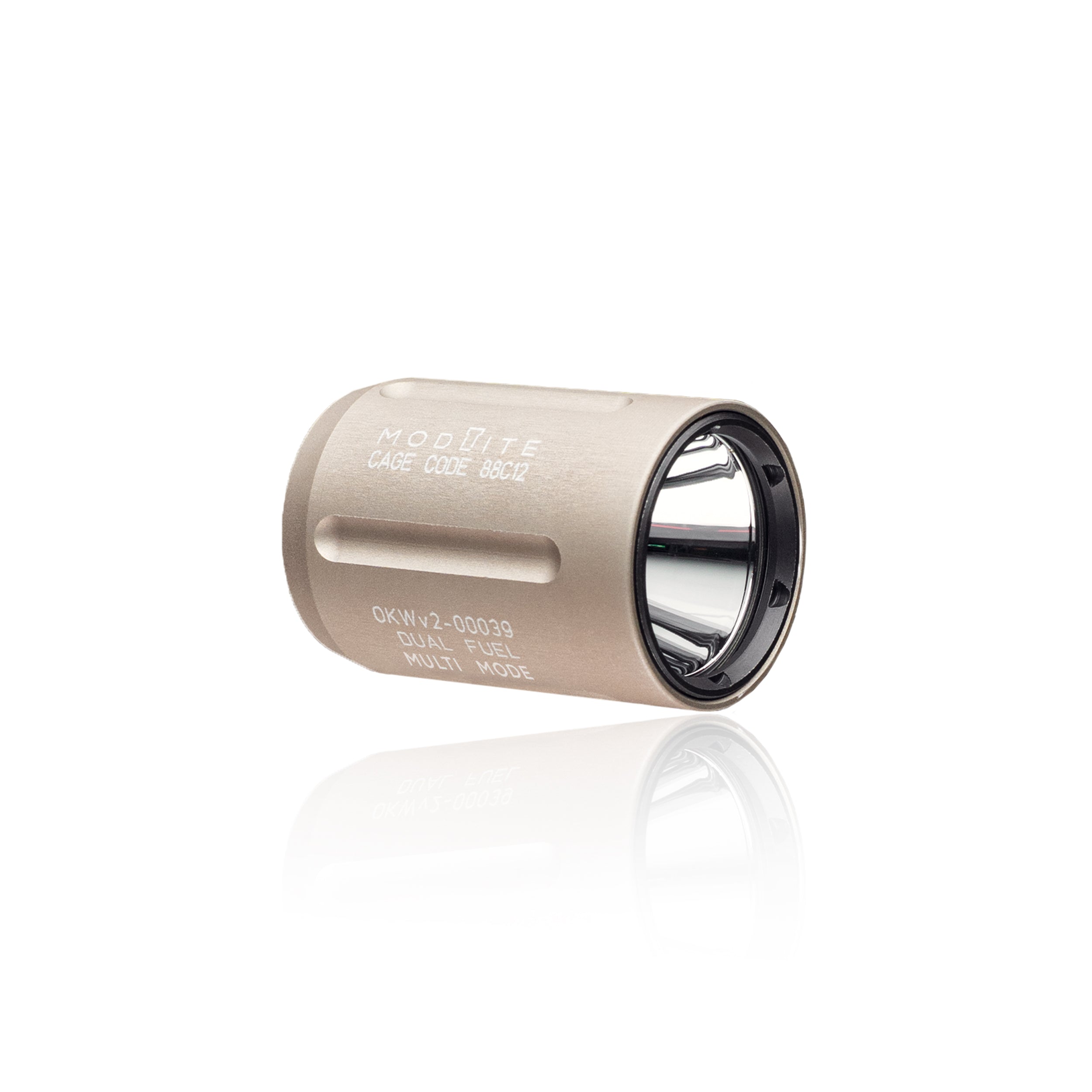
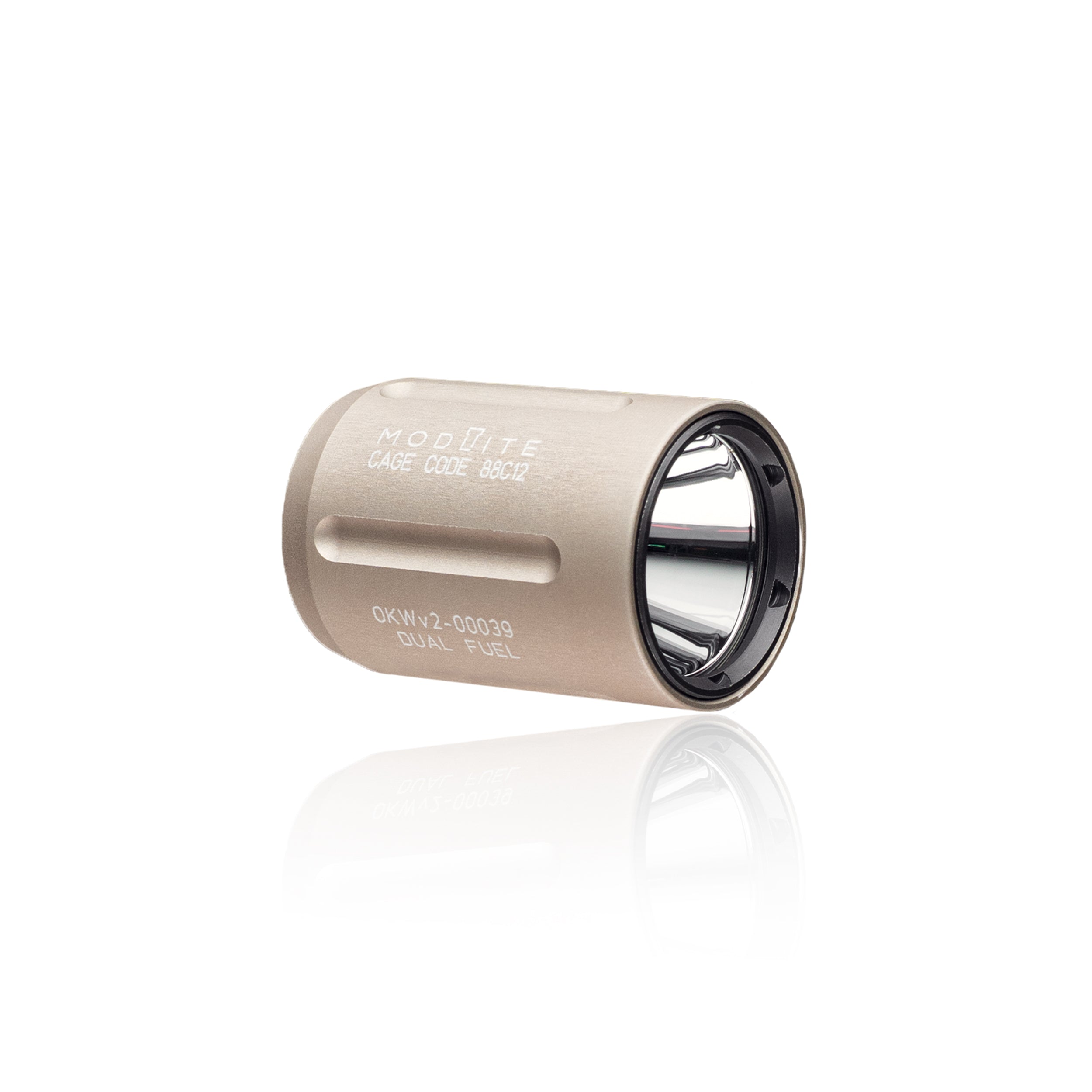
1,300 lumens, 95,000 candela, 2.1 oz. The distance head, rebuilt: a 30 percent candela increase and nearly twice the lumens of the original OKW. Deep reflector, tight hotspot. The head for professionals who want more energy in a tighter shape and more reach out of it. It shares the PLHv3 footprint and runtime, 75 minutes on an 18650, and drops onto the same bodies. Available single-mode or multi-mode.
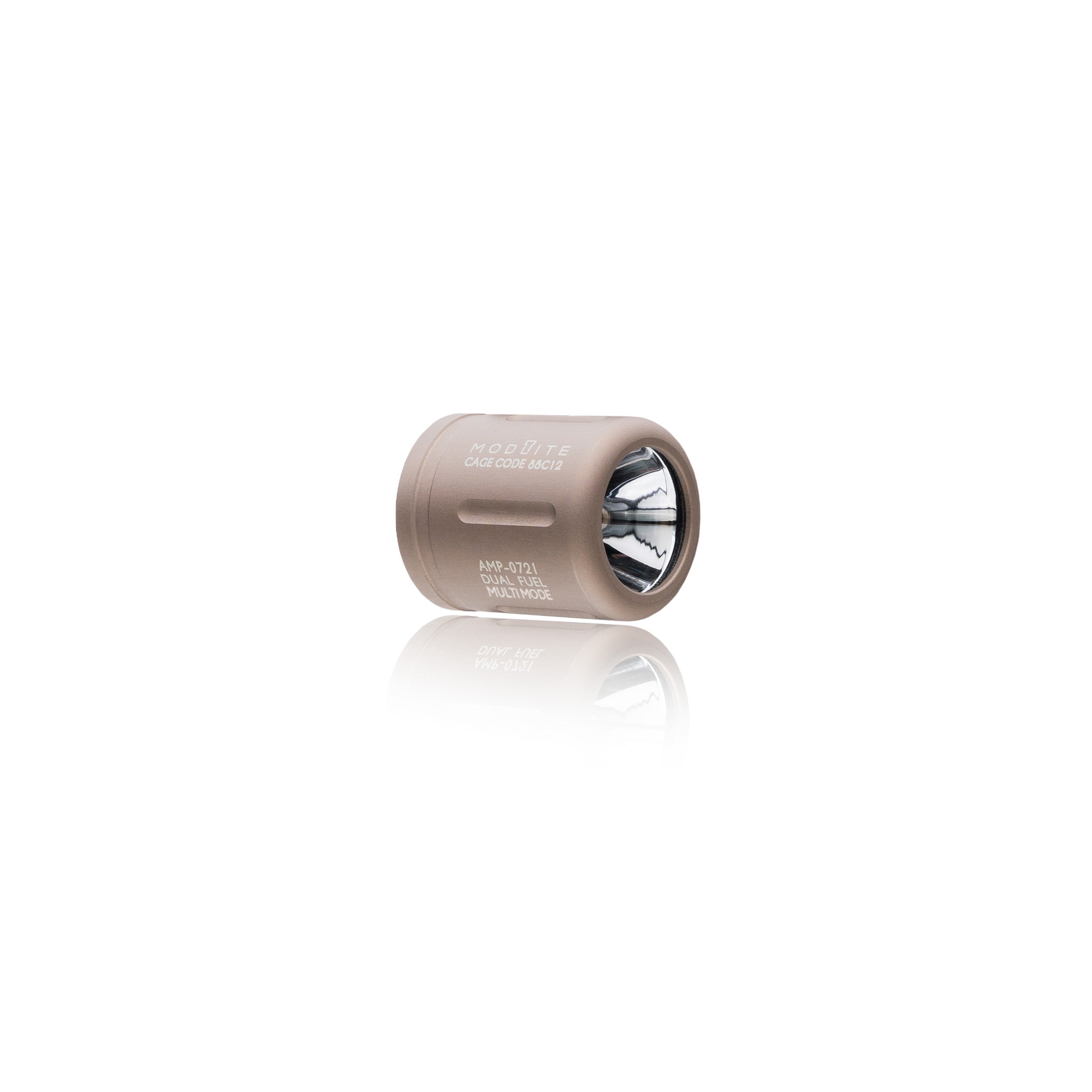
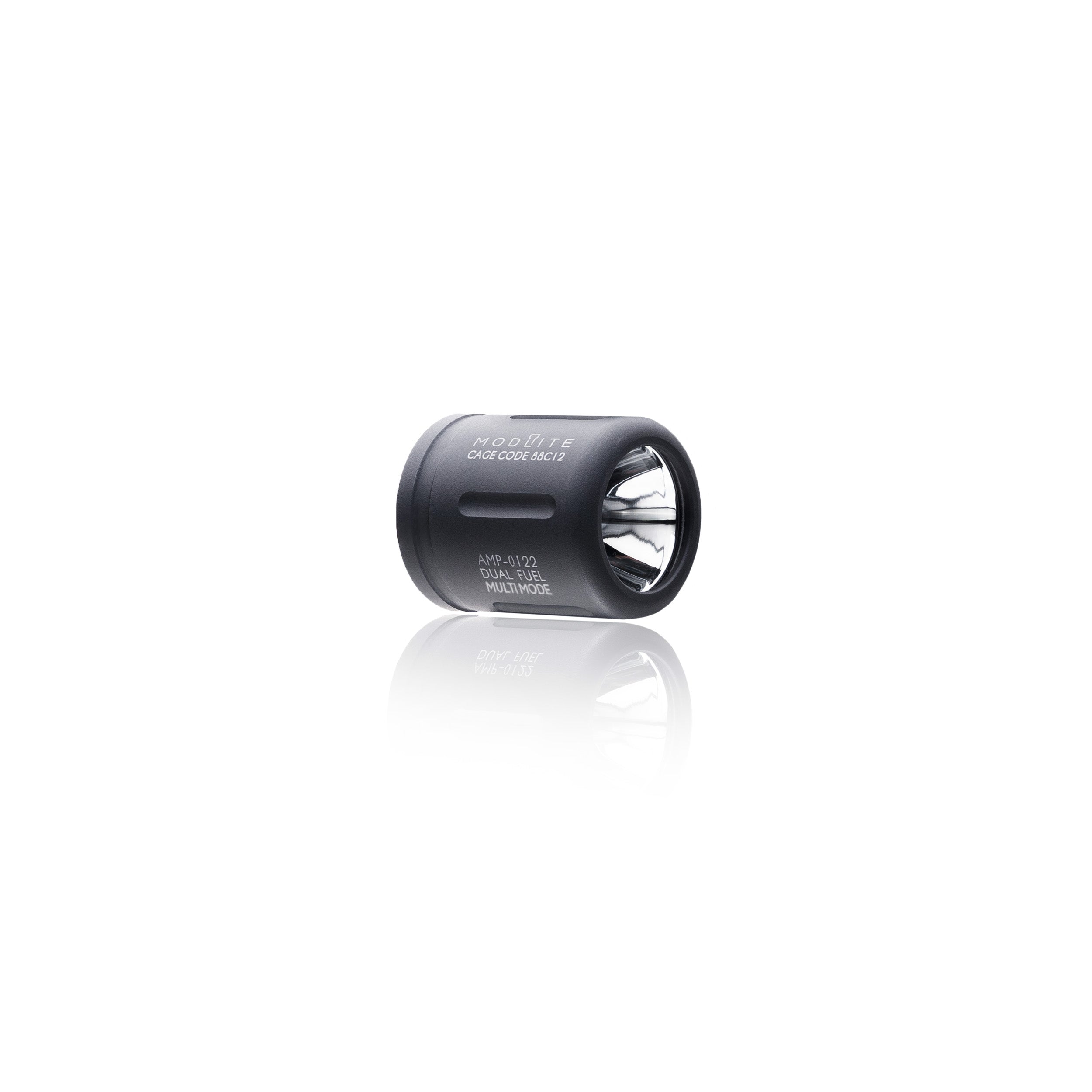
AMP Compact
876 lumens, 18,000 candela, 1.5 oz, 6,500K. Shorter and narrower than the standard heads at 1 inch in diameter and 1.25 inches long, with a wide beam scaled to the smaller reflector. Its 2-hour constant runtime on an 18650 is the longest of any standard head, which makes it more than the compromise choice its size suggests. Runs on the same 18350 and 18650 bodies. Available single-mode or multi-mode.
PIGLET (OKW)
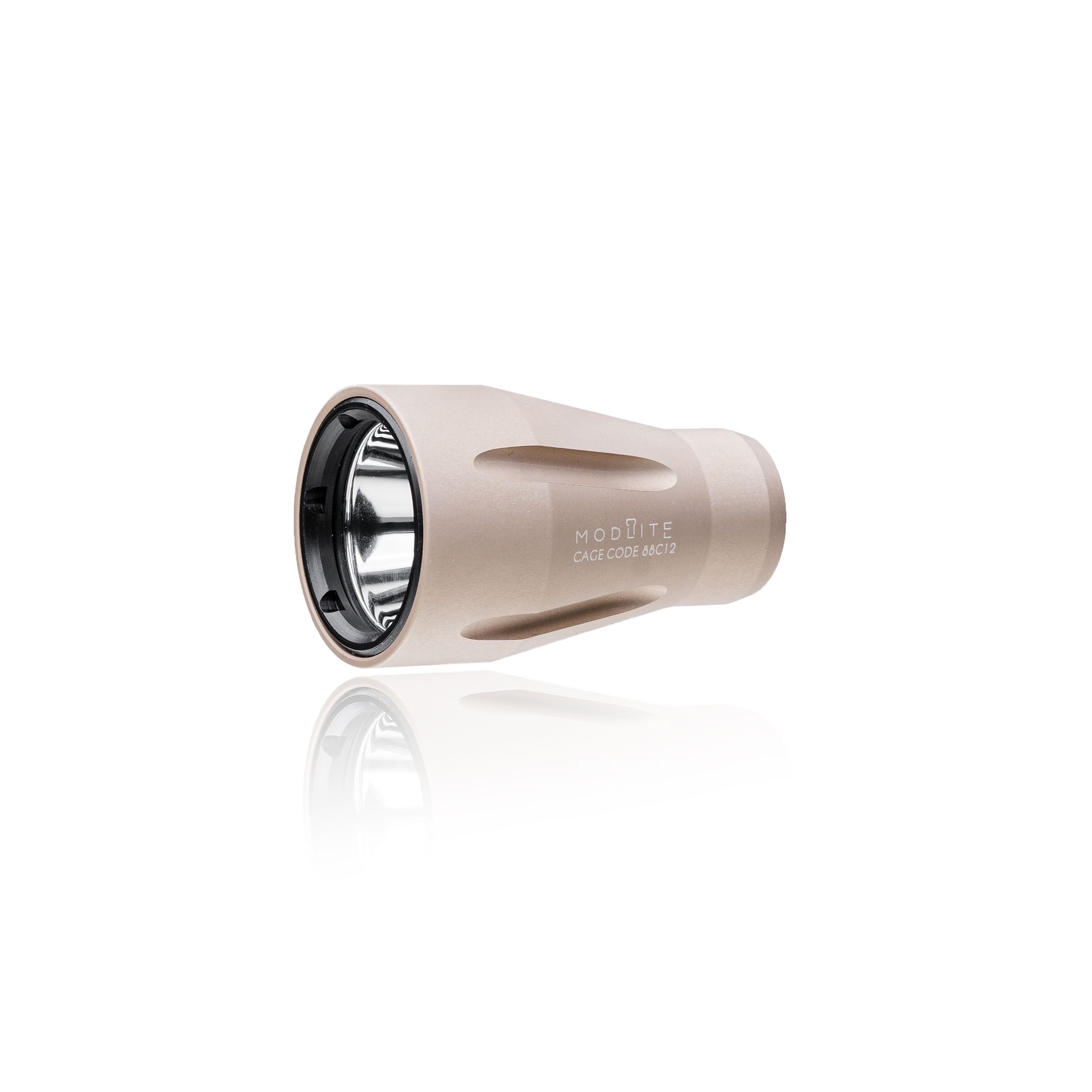
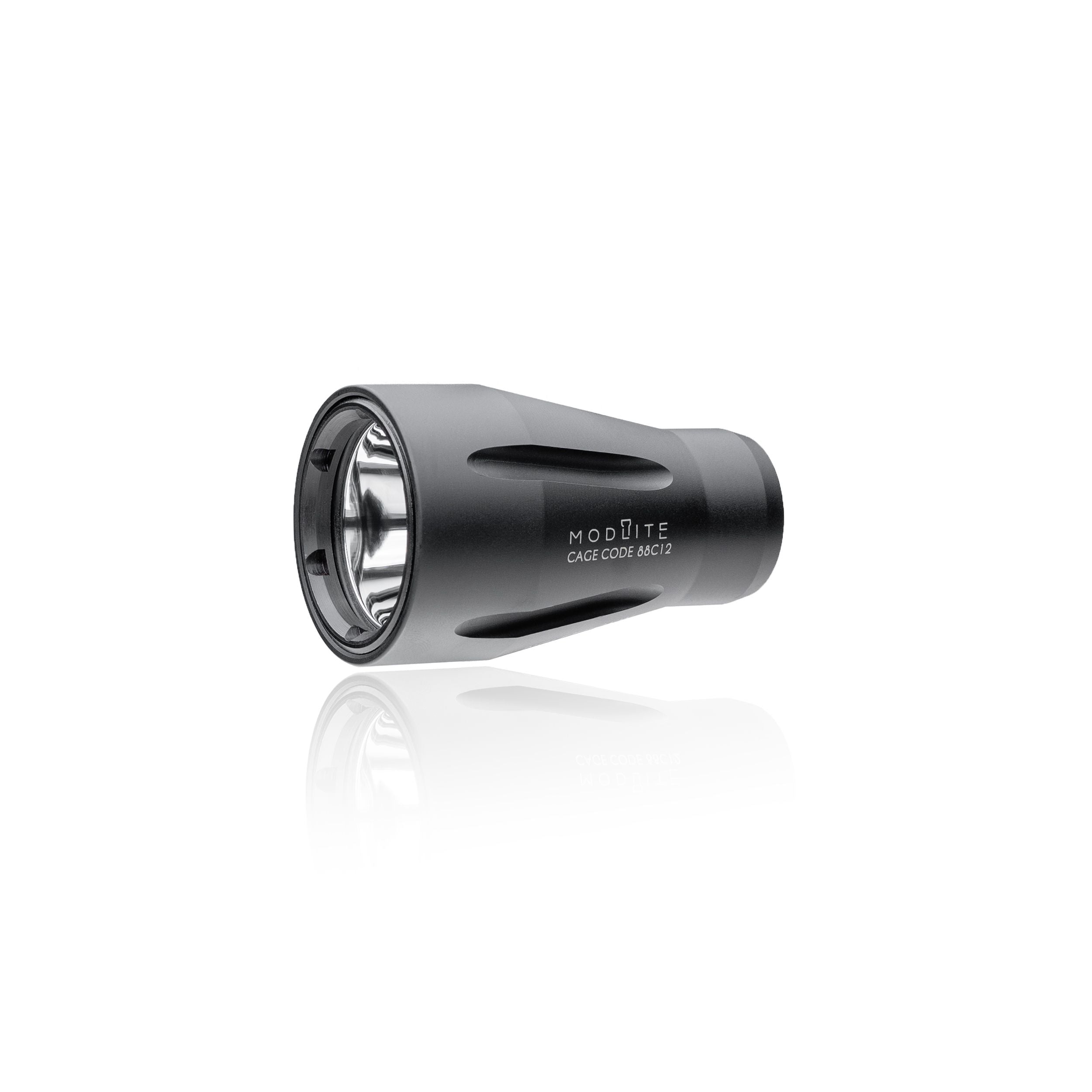
680 lumens, 155,000 candela, 5.1 oz, 2.9 inches long, 1.77 inch bezel. A 124 percent candela increase over the original OKW head, in a head that still threads onto the standard 18650 body. It pushes usable light to intermediate rifle ranges of 400 yards and beyond, runs 115 minutes on an 18650, and does it with less bulk than the HOG. The reach upgrade for a body already in service. Single-mode.
PIGLET (PLHv2)
1,350 lumens, 100,000 candela, 5.1 oz, 2.9 inches long, 1.77 inch bezel. The PIGLET head built around the PLH emitter: a wider beam with more spill and a softer hotspot, in the same 18650-compatible package. 100 minutes constant on an 18650. Single-mode.
HOG (OKW)
720 lumens, 170,000 candela, 5.3 oz. The longest-reaching head Modlite builds, and the longest-running: 3 hours 10 minutes constant on the 21700. Threads to 21700 bodies only. Single-mode.
HOG (PLHv2)
1,350 lumens, 120,000 candela, 5.3 oz. Maximum output in a wide beam, 2 hours 30 minutes constant on the 21700. Threads to 21700 bodies only. Single-mode.
Why the numbers are what they are
A light’s performance comes from a chain of factors, and it is worth understanding what sets each one. The cell supplies the energy and caps how much current is available. The driver regulates that into steady output, which is why Modlite quotes a constant runtime rather than the point the light starts to fade. And the head sheds heat, which is the real limit on how hard the emitter can run before it has to throttle back to protect itself.
That chain explains the rules on this page. A single CR123 cannot supply the current a head needs. HOG requires the 21700 because a larger emitter needs a cell that can feed it. And every head runs warm on high, because the aluminum body is doing its second job as a heatsink.
Modlite was deliberate about all of it, and the engineering rewards a closer look. The full story, discharge curves, driver regulation, and thermal design, is worth reading if you want the depth.
Single-mode and multi-mode
Single-mode is high output only. One setting, every activation.
Multi-mode ships configured to high and can be programmed to add an admin mode at 15 percent of high output. That low setting can also be locked out entirely, returning the head to high-only behavior.
Modlite’s guidance is single-mode for weapon-mounted lights and multi-mode for handhelds: a weapon light benefits from doing one thing when it is activated, while a handheld benefits from a low setting for administrative tasks. Multi-mode is offered on PLHv3, OKWv2 and AMP Compact. HOG and PIGLET heads are single-mode.
Body and cell compatibility
This is where a modular system asks something of the buyer, and it is worth reading before ordering.
- PLHv3, OKWv2, AMP Compact: Modlite 18350 and 18650 bodies, and comparable dual-fuel bodies.
- PIGLET (OKW), PIGLET (PLHv2): Modlite 18650 bodies. A direct upgrade path for an 18650 light already in service.
- HOG (OKW), HOG (PLHv2): Modlite 21700 bodies only. A HOG head will not thread to an 18650 or 18350 body.
Standard heads run on a single 18350 or 18650 rechargeable cell, or two CR123 cells in an 18650 body. A single CR123 will not power any Modlite head.
HOG bodies do not support CR123 cells. Modlite states that CR123 cells used in a HOG will heat and may rupture or ignite. Run the 21700 cell.
Some low-profile mount and rail combinations will require a standoff adapter to clear rails and suppressors, particularly with the larger PIGLET and HOG bezels.
Runtime
PLHv3 and OKWv2. 18650: 75 minutes constant on high, 10.6 hours on admin. 18350: 35 minutes on high, 3.6 hours on admin.
AMP Compact. 18650: 2 hours on high, 12 hours on admin. 18350: 35 minutes on high, 1 hour 35 minutes on admin.
PIGLET. 18650: 115 minutes (OKW), 100 minutes (PLHv2), constant on high.
HOG. 21700: 3 hours 10 minutes (OKW), 2 hours 30 minutes (PLHv2), constant on high.
Construction
- 6061 series aluminum bezel, Mil-Spec Type III hardcoat anodizing
- Ultra clear BOROFLOAT lens, 98 to 99 percent light transmittance
- Fully potted drivers, tested to withstand select-fire SCAR 17 recoil
- Made and assembled in the USA
- Lifetime transferable warranty
Type III hardcoat anodizing is a chemical process, and finish tone varies slightly between parts even within a single batch. Modlite matches sections as closely as they can. Minor variation between a head and a body is normal and is not a defect.
Complete your build
A head is half a light. SierraTac carries Modlite bodies in 18350, 18650 and 21700, ModButton and pressure switch options, tailcaps, and protected cells with chargers. If you want fitment confirmed against a rifle, a mount, or a suppressor before ordering, call us. We would rather spend the time on the phone than have you receive a head that does not thread to the light you own.
About Modlite
Modlite Systems builds weapon lights in the United States. The architecture is modular by design: heads, bodies, tailcaps and switches interchange, so a body bought years ago accepts a current-generation head rather than going in a drawer. SierraTac is an authorized Modlite dealer.
| Emitter | AMP Compact, HOG (OKW), HOG (PLHv2), OKWv2, PIGLET (OKW), PIGLET (PLHv2), PLHv3 |
|---|---|
| Mode | Multi-Mode, Single-Mode |
| Color |